



NSW Gov on Waste infrastructure
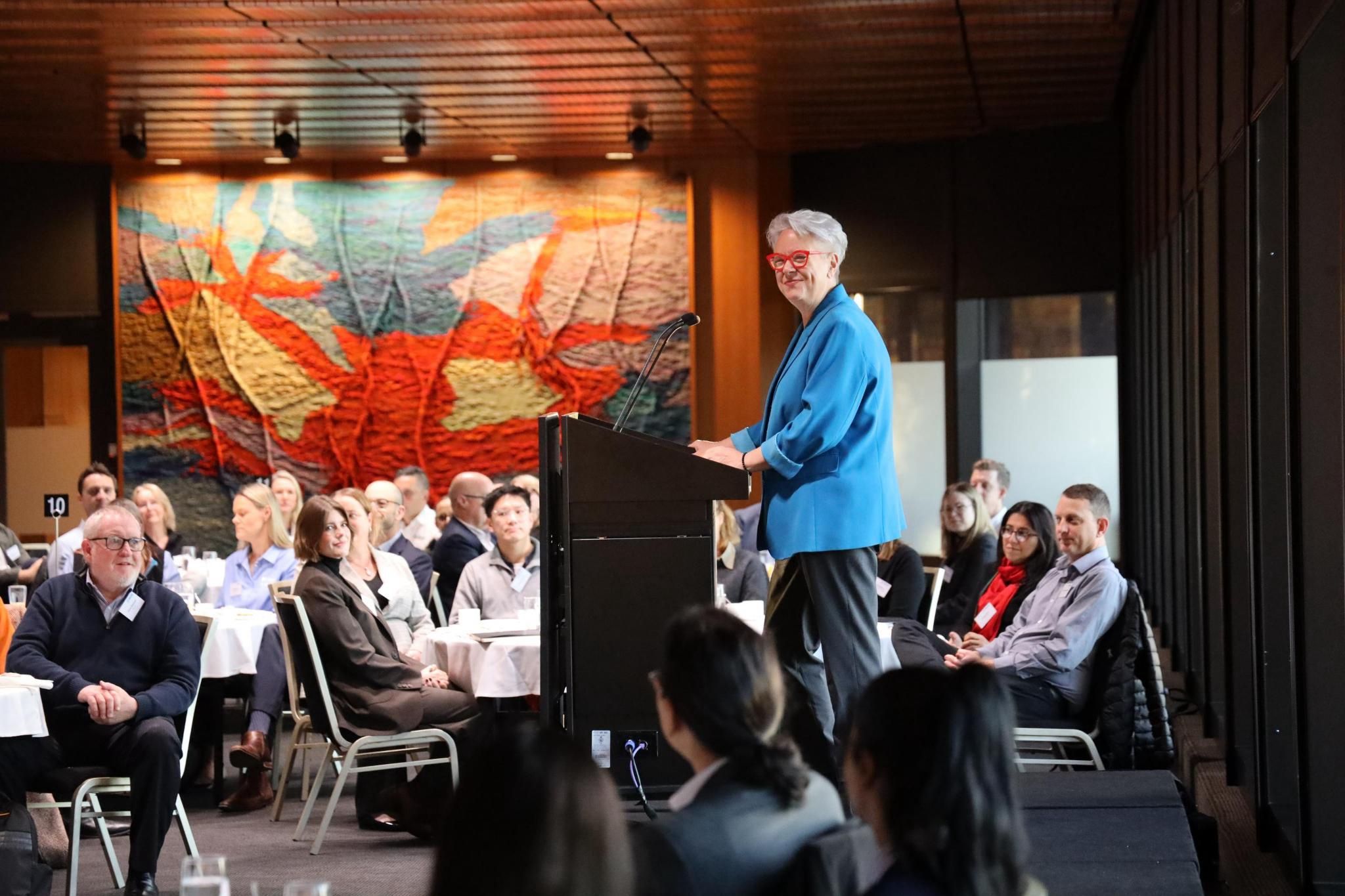
Our CEO Damien Vella attended the Waste Management and Resource Recovery Association of Australia (WMRR) industry breakfast this week, where NSW Environment Minister Penny Sharpe outlined a series of reforms that mark a significant shift in how waste infrastructure is being treated at the highest level of government.
For an industry that has spent years advocating for waste and resource recovery to be recognised as essential infrastructure, the announcements represent a genuine turning point.
What was announced:
Minister Sharpe’s reforms address three areas the sector has been raising as urgent priorities.
Planning reform. New waste and resource recovery infrastructure in New South Wales has historically faced planning timelines inconsistent with the urgency of the state’s capacity constraints. The reforms include the establishment of a Waste Infrastructure Concierge to fast-track approvals for new facilities, giving the sector a clear pathway through the planning system.
Compliance and regulation. The interstate levy loophole, which allowed operators to transport waste to Queensland to avoid the NSW levy, is being closed. This levels the commercial playing field for facilities that have been operating within the NSW regulatory framework and paying the full compliance costs.
Coordinated investment. A new Strategic Waste Infrastructure Ministerial Advisory Committee will be established to guide long-term investment planning for the sector. For the first time, the state is putting the infrastructure required to manage its waste on the same footing as water, energy, and transport.
Why this matters
Greater Sydney is projected to face a 1.1 million tonne annual landfill capacity shortfall by 2030. The Infrastructure Cliff 2030, as it has come to be known, is not a distant policy discussion. It is a real capacity constraint that will begin affecting projects, disposal costs, and commercial contracts across the industry within the current decade.
Without new investment in resource recovery infrastructure, the impact would land hardest on the sectors that generate the most waste. Construction, civil, and demolition operators would face rising disposal costs and shrinking options. Councils would face increased tipping fees and community pressure. Ratepayers would ultimately absorb both.
The reforms announced this week begin to address the systemic issues that have prevented the sector from responding to that challenge at the scale required.
What it means for Breen Resources
For operators who have been running independently audited, compliant facilities for decades, this shift changes the commercial environment.
Our Kurnell facility is independently audited against the Green Star Construction and Demolition Waste Reporting Criteria, with a confirmed 89.33 per cent landfill diversion rate. We operate under our EPA licences (EPL 4608 and EPL 20697) with full weighbridge tracking, chain of responsibility compliance, and independent product testing. Every improvement we have made to build that infrastructure over the past decade positions us to respond to what the new investment framework will demand.
The circular economy does not happen by accident. It requires infrastructure, investment, and government leadership. This week’s announcements suggest that leadership is arriving, and we are ready to work alongside government and industry to deliver on it.